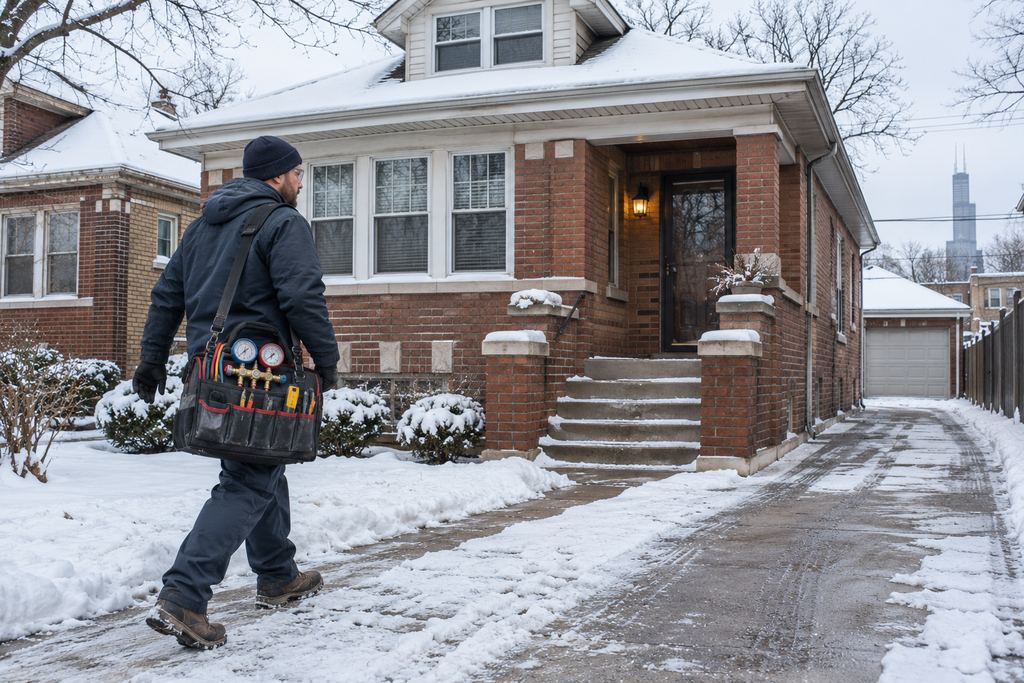
HVAC Repair in Rhode Island
HVAC repair in Rhode Island usually means one of two things: a hot water or steam boiler in an older house that stopped heating, or a heat pump or central air system that quit cooling or heating. Tell the contractor which one you have first, since not every company works on boilers and radiators.
Leave the building first
A gas smell is not a repair request. Stop here and do this now:
A carbon monoxide alarm is not a repair request. Stop here and do this now:
- Get everyone out of the house, pets too, and leave the door open behind you.
- Do not switch lights, appliances or the thermostat on or off, and do not use a lighter, a match or a phone inside.
- From outside, call your gas utility's emergency line or 911.
- Stay outside until the utility or the fire department says it is safe to go back in.
After the home is cleared, a licensed technician can check the furnace, boiler or water heater. You can come back to this form then.
Nothing was sent. This form does not handle gas or carbon monoxide emergencies.
Sending your request
Please keep this page open. The form is locked so the request is not sent twice.
Your request was received
We passed it to a contractor in your area. If one accepts, they contact you using the phone number or email you gave. We cannot say how soon, and you are not required to hire anyone.
No reply after a few days? Check your spam folder, then use the contact page.
We could not send your request
Nothing was sent to a contractor. Your answers are still on this page. Try again in a moment.Online requests are not connected yet
The request form is not linked to a contractor network yet. Nothing you typed was sent or saved. Please call instead, or try again later.Short answer
Start with the safe checks below, then send a request with your ZIP code and the type of equipment. A local contractor who serves that area reviews it and calls you; timing depends on their schedule.
Gas smell or carbon monoxide alarm
What usually fails in Rhode Island homes
A large share of the state's housing was built before central air existed. Multi-family triple-deckers in Providence, Pawtucket and Woonsocket, capes in Warwick and Cranston, and older farmhouses further south often heat with a boiler in the basement that feeds cast iron radiators or baseboard. When those systems fail, the trouble tends to sit in the circulator pump, a zone valve, the expansion tank, the low water cutoff or the burner itself. On oil equipment, a clogged nozzle or filter is a common reason for a no-heat call in January.
Cooling and newer heating come from ductless mini-splits mounted on walls, ducted heat pumps added during renovations, and central AC in post-war ranch homes. Those break in different ways: ice that will not clear in defrost, a drain line in an indoor head that backs up, a failed outdoor fan or a refrigerant leak. Near the coast, from Westerly to Newport, salt air wears on outdoor coils and electrical connections faster than it does inland.
If your home has a gas furnace and ductwork instead, the Rhode Island furnace repair page covers that case in more detail.
Tell the contractor which system you have
- Hot water or steam boilerRadiators or baseboard, a pressure gauge on the boiler, often zones with separate thermostats. See the boiler repair guide.
- Oil-fired burnerA tank in the basement or yard. Mention it, because oil burner service is a separate skill from gas work.
- Ductless or ducted heat pumpAn outdoor unit that runs in winter and summer. Read the heat pump repair guide for common faults.
- Central AC with a furnaceSupply vents in floors or ceilings and an outdoor condenser. Cooling and heating parts are diagnosed separately.
Safe checks first, then call
Safe checks you can do
Only checks from the owner's manual that need no tools and no opening of panels.
- Confirm the thermostat is set to heat or cool and the batteries are good.
- Look for a tripped breaker or a boiler or furnace emergency switch that was turned off by mistake (often at the top of the basement stairs).
- Note the boiler pressure gauge reading and any blinking light codes so you can tell the technician.
- On a mini-split, clean the washable indoor filters as the owner's manual describes.
- Clear snow and leaves away from an outdoor heat pump unit.
Leave these to a professional
Gas valves, burners, venting, refrigerant, capacitors and electrical circuits need a qualified, licensed technician.
- Adding water to a boiler, bleeding a steam system or adjusting pressure controls.
- Any work on the burner, gas valve, oil nozzle or flue.
- Refrigerant leak testing and recharging, which requires EPA Section 608 certification.
- Electrical repairs inside the boiler, furnace or outdoor unit.
- Replacing circulators, zone valves or a heat pump's reversing valve.
How to check a Rhode Island contractor
Rhode Island asks contractors who work on homes to register with the Contractors' Registration and Licensing Board, which has a public lookup on its website. Trade licenses for pipefitters, refrigeration and air conditioning technicians and sheet metal workers are handled by the Department of Labor and Training. Before you agree to work, ask the company for its registration number and the license held by the person doing the repair, and check both yourself.
Ask, too, whether the price you hear is for diagnosis only or includes the repair, and whether an evening or weekend visit carries a higher rate. The HVAC repair cost guide lists the factors that move a quote up or down.
How a Rhode Island request works
- You enter a ZIP code and the service you need.
- You add contact details and a short description.
- A contractor who accepts the ZIP code contacts you to arrange a visit. When depends on their schedule.
- You compare what you are told and any written estimate. You do not have to hire anyone.
No heat in a cold snap
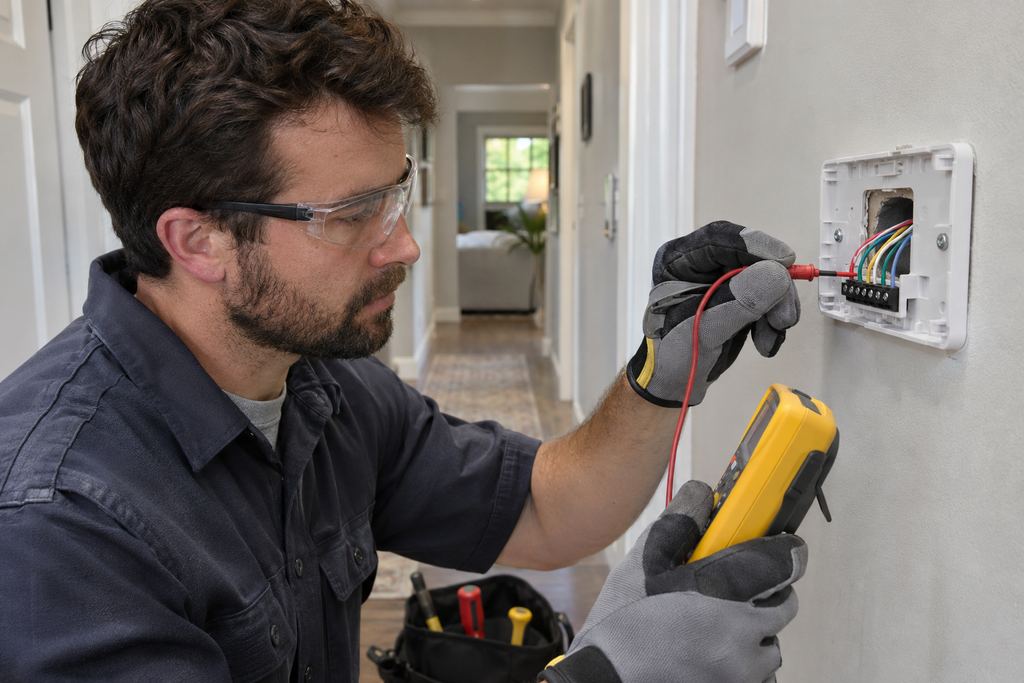
General guides that apply in Rhode Island
Questions
Does an HVAC company fix air conditioning?
Yes. HVAC covers heating, ventilation and air conditioning, so most companies repair central AC and heat pumps. In Rhode Island, ask separately whether they also service boilers and radiators, because many cooling-focused shops do not.
Why does HVAC repair cost so much?
Much of the price is the technician's time to diagnose, the trip, and parts that may need to be ordered for older boilers. Evening and weekend calls often carry a higher rate. A written estimate that separates diagnosis, parts and labor makes the number easier to judge.
What are the most common HVAC repairs in older Rhode Island homes?
On boilers: circulator pumps, zone valves, expansion tanks, ignition parts and oil burner service. On heat pumps and AC: capacitors, fan motors, drain problems and refrigerant leaks. A technician confirms the cause; the symptom alone does not.
Can one company handle both my boiler and my mini-split?
Some can. Gas and oil heating and refrigerant work are different trades. When you request help, list every system in the house so the contractor can say whether they cover all of them.
Can I reach someone in Rhode Island at night?
The pages stay online at any hour, but that says nothing about whether a contractor works at night. We cannot promise night or weekend availability; ask the company about after-hours calls and the rate before you book.